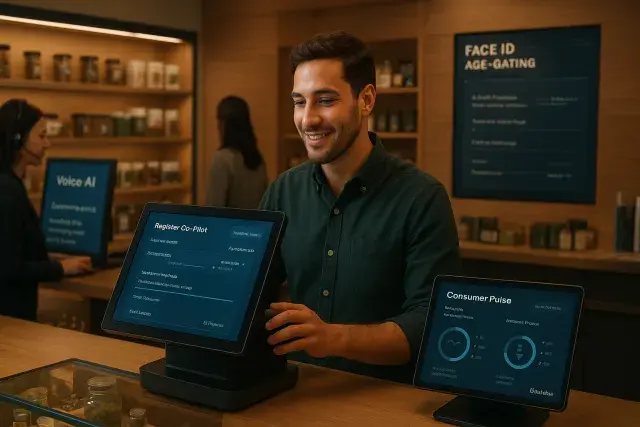
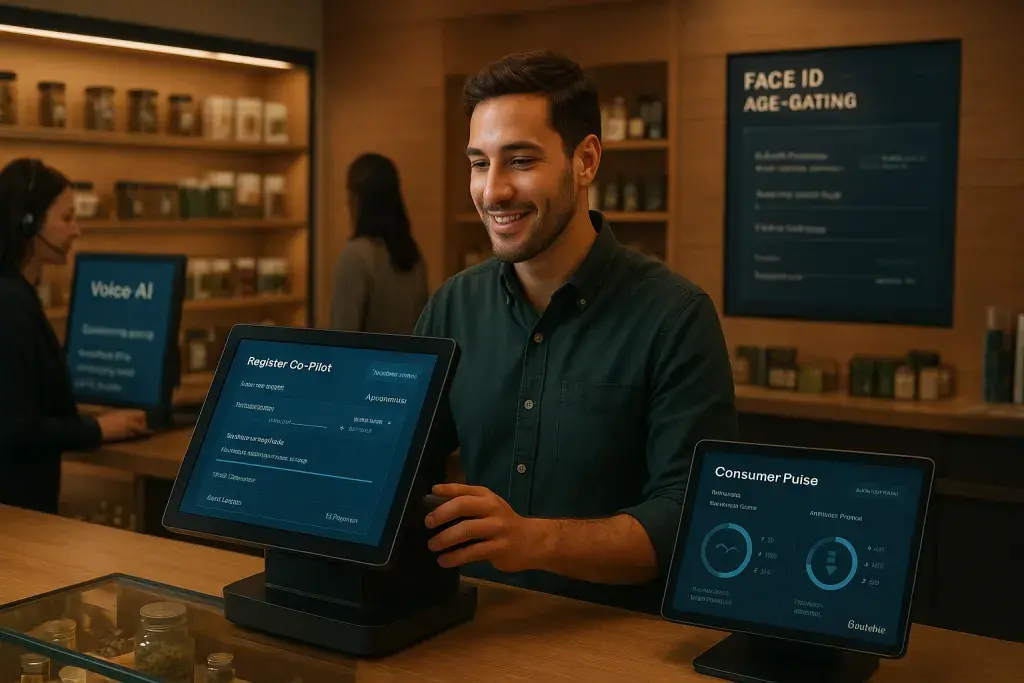
Dutchie, the cannabis technology platform that processes transactions across more than 6,500 dispensaries in North America, announced on June 15, 2026 a new suite of artificial intelligence products called Dutchie Consumer AI. The launch extends the company's existing point-of-sale and e-commerce infrastructure with four integrated tools aimed at automating front-of-house tasks, increasing basket size, and centralizing customer reputation management. For operators already running on Dutchie's systems, the pitch is straightforward: more revenue and less manual overhead, without swapping out the software your staff already knows.
The timing is not incidental. Cannabis retail is in a compression phase - margin pressure from excise taxes, rising labor costs, and intensifying competition among licensees in maturing adult-use markets has pushed profitability to the top of every operator's priority list. In states where license caps have loosened and market saturation has become real, retailers from single-location independents to multi-state operators are hunting for any edge that doesn't require adding headcount. That dynamic is visible whether you're running a flagship storefront in a dense metro or managing a rural location where one budtender might be handling the floor, the phone, and the register simultaneously - a common operational reality for operators looking at tools like cannabis dispensary pos maine to stretch their technology dollar across lean teams. Dutchie's Consumer AI suite is explicitly designed for that operational reality.
Four Products, One Customer Identity
What distinguishes this launch from a collection of bolt-on features is the underlying architecture. Dutchie is building all four products around a unified customer identity - meaning a shopper's history, preferences, and status are consistent whether they're calling the store, browsing online, standing at the kiosk, or checking out at the register. That kind of data continuity has been standard in general retail and hospitality tech for years. In cannabis, where seed-to-sale compliance requirements, state-by-state regulatory fragmentation, and POS vendor lock-in have historically made clean data integration difficult, it's genuinely less common than operators would like.
The four products break down this way. Voice AI functions as an automated phone receptionist - it handles inbound calls, confirms pickups, reads live inventory and daily deals, and escalates to a human when the situation calls for it. For any dispensary that has watched sales walk out the door because no one answered the phone during a rush, the use case is obvious. Agentic Commerce is embedded into the e-commerce and kiosk experience; it moves beyond a chatbot by actually building the cart and taking the customer to checkout, including reconstructing a returning customer's regular order from real purchase history. Register Co-Pilot lives inside the Dutchie POS terminal itself, giving budtenders real-time prompts - purchase history, smart pairings, upsell recommendations, loyalty status - without requiring them to toggle between systems. And Consumer Pulse pulls together first-party survey data from digital orders and receipts alongside public reviews from across the web, surfacing sentiment trends and flagging issues before they compound into a damaged rating.
Why Integrated Beats Disconnected in Regulated Retail
Here's the catch with most AI-adjacent tools pitched at cannabis operators: they add a new login, a new data silo, and a new compliance question. Dispensaries already contend with METRC integrations, compliance logging, compliant packaging verification, age-gating across every digital touchpoint, and state-specific advertising restrictions that vary enormously - what's permitted in Colorado may be prohibited in Massachusetts. Layering in separate AI vendors typically means another integration to maintain, another contract to manage, and another potential point of failure during a state audit. Dutchie's argument - and it's a structurally sound one - is that embedding these capabilities directly into workflows operators already use for POS and e-commerce sidesteps most of that friction.
The Register Co-Pilot product is worth examining closely from an operational standpoint. Budtender turnover remains one of the more stubborn cost centers in cannabis retail; training new staff to product knowledge depth takes time, and inconsistent customer experiences at the register show up directly in review data and repeat purchase rates. A tool that surfaces smart pairings and upsell prompts in real time effectively compresses the knowledge gap between a veteran employee and someone three weeks into the job. The basket-size implication is real - and measurable - in a way that most soft operational improvements are not.
Regulatory Context and What Operators Should Watch
Dutchie frames this launch against the backdrop of federal rescheduling discussions and a broader normalization of cannabis retail. That context matters for how operators should evaluate long-term technology investments. If rescheduling advances, the 280E tax burden that has suppressed net margins for cannabis businesses for years could ease - which would not reduce the need for operational efficiency, but would change the financial calculus around technology spend. Operators who built leaner, more automated operations during the compressed years tend to be better positioned when margin headroom opens up.
There are compliance dimensions to watch here as well. Any AI system that surfaces product recommendations, handles customer communications, or processes order data in a cannabis context must account for state-level rules around advertising, age verification, and consumer data privacy. Dutchie hasn't disclosed the full technical architecture governing how Consumer AI handles compliance in jurisdictions with strict advertising or recommendation restrictions. Operators in tightly regulated markets - those with explicit rules about what can and cannot be said in promotional or suggestive contexts - should verify that any AI-driven recommendation or outreach workflow meets their specific state requirements before deployment. That's not a hypothetical concern; it's standard due diligence for any new technology integration in licensed cannabis retail.
What's clear is that the infrastructure competition among cannabis technology vendors is moving into a new phase. The POS wars of the early adult-use era have largely sorted themselves out. The next differentiation layer is AI-driven automation, and Dutchie is making an early, integrated move into that space at meaningful scale.