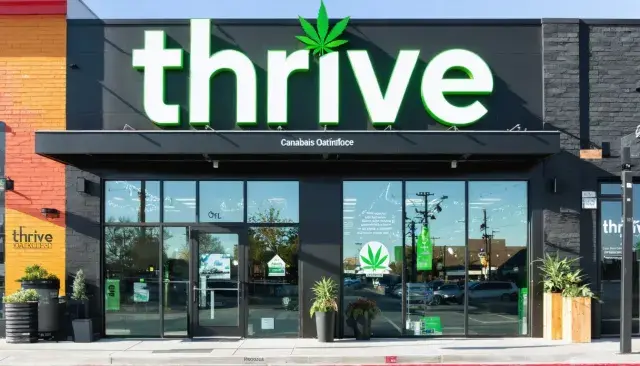
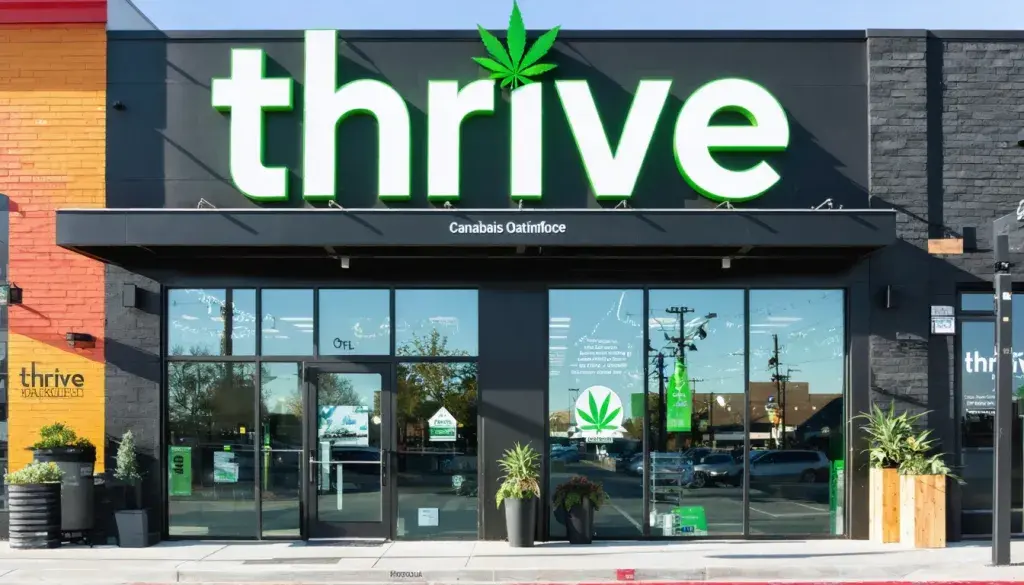
Thrive Cannabis, a Las Vegas-based company, opened South Reno's first marijuana dispensary on November 23 at 7300 S. Virginia St., transforming a former meat and deli into a 6,500-square-foot retail space. This debut fills a notable gap south of Plumb Lane, signaling growing local demand in Nevada's maturing cannabis market and promising economic boosts for residents.
Grand Opening Highlights and Operations
Thrive's new location emphasizes accessibility for locals, operating daily from 8 a.m. to midnight. The grand opening featured a 25 percent discount on products through November 30, drawing crowds eager for quality cannabis options closer to home.
- Former Butcher Boy Meat & Deli site fully renovated for modern retail
- All-local staff hired post-launch, with temporary Vegas team for training
- Three existing Las Vegas stores inform inventory and customer service standards
Overcoming Hurdles and Local Commitment
Founder Mitch Britten, a Denver native who entered the industry in 2016, targeted South Reno after spotting an underserved market. Initial pushback from city officials stemmed from proximity to an addiction recovery center, framed as a moral rather than zoning concern. Thrive collaborated closely to address worries, highlighting responsible operations in a regulated environment.
Britten prioritizes independence, rejecting buyouts from out-of-state investors—a contrast to many Northern Nevada dispensaries. "It's more important to dance with those that brung you," he noted, evoking Denver's community-rooted cannabis culture that Reno now mirrors.
Implications for Reno's Cannabis Landscape
Nevada's recreational cannabis legalization in 2017 has exploded the industry, generating over $1.5 billion in sales last year alone, per state data. South Reno's entry shifts focus from tourist-heavy northern spots to local demographics, potentially stabilizing neighborhoods through jobs and tax revenue—Reno-Sparks saw $15 million in cannabis taxes recently.
Health-wise, regulated dispensaries like Thrive promote safer consumption via lab-tested products, reducing black-market risks amid rising adult use rates (around 20% in Nevada). Culturally, this normalizes cannabis as lifestyle choice, fostering economic resilience akin to Colorado's post-legalization model, where locals drive sustained growth over transient visitors.