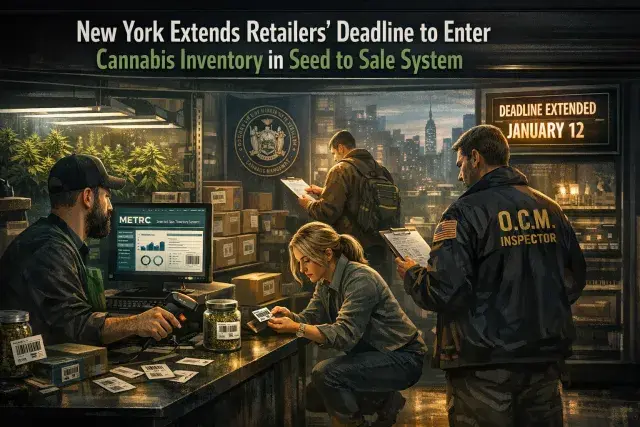
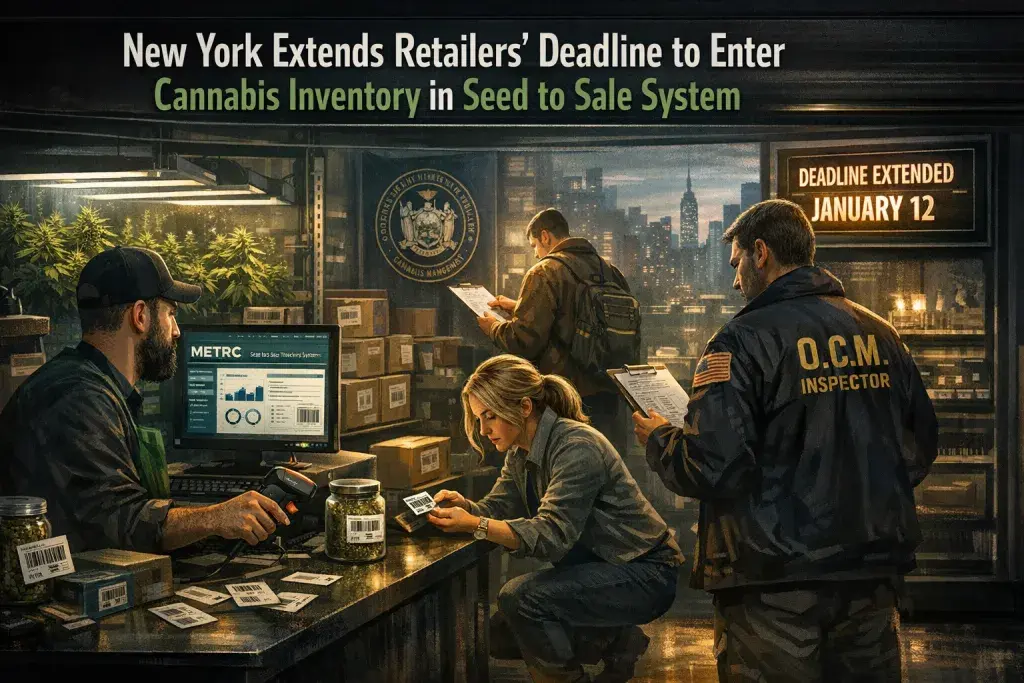
New York cannabis retailers gained a few extra weeks to log their inventory into the state's forthcoming Seed to Sale tracking system, state regulators announced late Wednesday. The Office of Cannabis Management pushed the deadline to January 12, responding to licensee complaints about clashing with holiday sales peaks. All players in the supply chain must still credential with Metrc, the system's provider, by December 17—or face sales halts on untagged stock.
Phased Rollout Eases—but Doesn't Eliminate—Transition Pressures
The Seed to Sale platform, powered by Metrc, kicks off in stages starting December 17. Cultivators tag plants immediately; processors apply Retail ID tags to new products shipped post-deadline; distributors label existing packages and upload data. Retailers can't sell incoming inventory after that date unless it's entered—a hard stop designed to enforce compliance without gutting operations entirely.
OCM spokeswoman Vanessa Cheeks framed the extension as a pragmatic nod to feedback after Metrc's merger with BioTrack, the prior vendor. "This supports retailers ahead of an anticipated holiday rush, while still allowing them to come into compliance," she said. The thing is, credentialing remains non-negotiable by week's end; licensees already integrated report smooth sailing, but stragglers risk downstream snarls.
Tracking Tech Roots in 2021 Legalization Law
Mandated by the Marijuana Regulation and Taxation Act, which greenlit adult-use sales in 2021, Seed to Sale aims to shadow cannabis from cultivation through retail sale. Its core job: stanch diversions to black markets and block illicit out-of-state imports in a mature marketplace now humming with licensed outlets. Originally slated for summer rollout, delays stemmed from the BioTrack-Metrc merger—plus real-world gripes over tagging protocols.
Metrc adjusted requirements post-merger, mandating those 10-cent Retail ID tags on more items. That shift irks the Cannabis Association of New York, whose president Damien Cornwell blasted it as inflating costs—up to 40 cents per unit for micro-operators juggling multiple licenses. Multiple tags per product, he argues, hammer small players across the chain.
Compliance Costs Collide with Market Realities
New York's cannabis sector, three years post-legalization, faces this tech pivot amid explosive growth—hundreds of stores, cultivators racing to scale. Cheeks emphasized OCM's hands-on support via resources at cannabis.ny.gov/seed-to-sale, positioning the phased approach as a buffer against chaos. In practice, though, the tags and data entry layer fresh expenses on businesses already navigating tight margins and regulatory thickets.
What's striking: a system billed as vital to marketplace integrity now tests that very resilience. Licensees who hit deadlines keep shelves stocked; others stare down inventory lockups. OCM bets the long tail—full traceability—outweighs the upfront bite, but operators like CANY see only added friction in an industry still finding its footing.