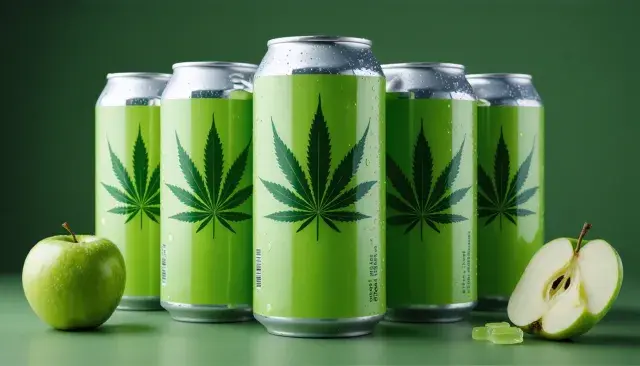

In a proactive move for consumer protection, VBJG Mt. Clemens, LLC, alongside Michigan's Cannabis Regulatory Agency, has issued a voluntary recall of Armada Cannabis Co. Cannabis Apple Cider (20mg). Sold briefly in late 2023, these marijuana-infused beverages pose risks due to production flaws, highlighting vulnerabilities in the booming cannabis drink market.
Recall Details and Product Risks
The recall targets a single batch of 20mg Cannabis Apple Cider with an expiration date of January 2, 2024. Products were sold from October 11 to November 1, 2023, at select Michigan dispensaries. Non-compliant production omitted a critical shelf-stabilizing ingredient, leading to reports of cans swelling and bursting—a hazard that could cause physical injury or product degradation.
- Batch issue: Lack of stabilizer caused fermentation-like pressure buildup.
- Consumer impact: Potential for cuts, spills, or exposure to unstable THC potency.
- Action urged: Return or dispose of affected cans immediately for refunds.
Affected Sales Locations
Consumers who purchased from these outlets should check their products:
- AU-R-000858, 2918 Blue Star Hwy, Douglas, MI 49406
- AU-R-000521 (7Engines), 1101 East Front St, Buchanan, MI 49107
- AU-R-000226 (A New Standard), 24906 John R Road, Hazel Park, MI 48030
- AU-R-000174 (AIM HIGH MEDS), 15776 M-60 HWY, Tekonsha, MI 49092
- AU-R-000558 (AIM HIGH MEDS), 880 East Chicago Street, Coldwater, MI
Broader Implications for Cannabis Beverages
This incident underscores challenges in Michigan's rapidly expanding cannabis sector, where infused beverages now represent over 15% of edible sales. Shelf stability is paramount in low-alcohol, THC-infused drinks, as microbial growth or chemical reactions can compromise safety and dosing accuracy. Past recalls, like those for moldy gummies or mislabeled edibles, reveal a pattern: rigorous quality controls lag behind market growth.
Public health experts emphasize that while cannabis beverages offer discreet, metered consumption—appealing to wellness users—flaws like these erode trust. The CRA's swift coordination exemplifies effective regulation, potentially averting widespread issues. Looking ahead, enhanced testing protocols could safeguard innovation without stifling it, ensuring public health keeps pace with legalization trends across states.