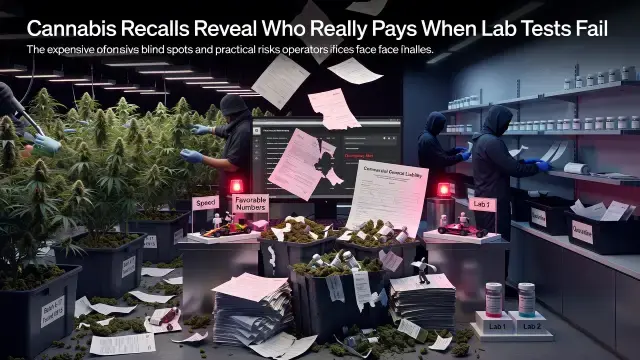
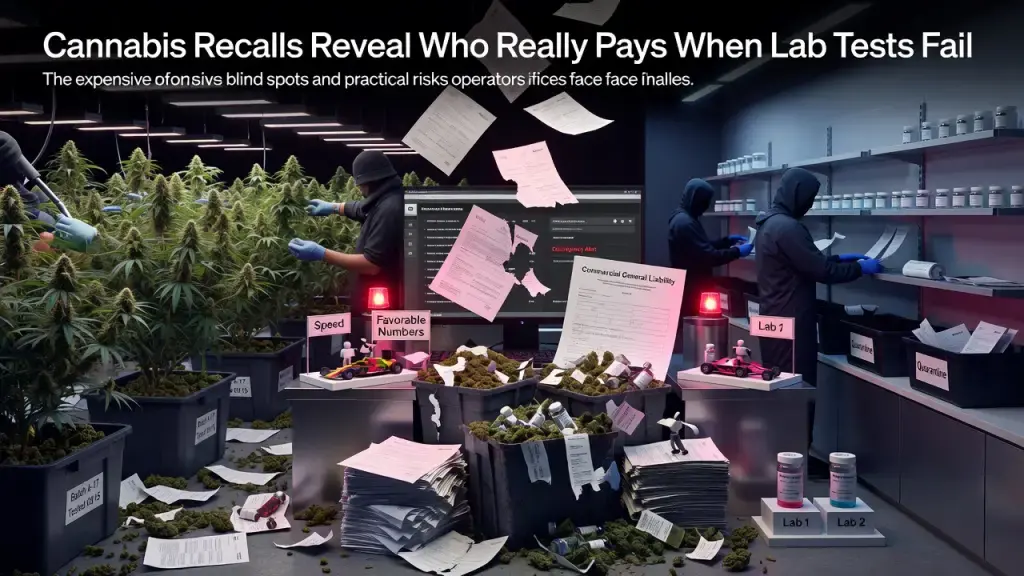
A passing Certificate of Analysis feels like the finish line for a harvest. It isn't. Recent recalls in New York and Colorado show how a cleared batch can still end up pulled from dispensary shelves months later, leaving the brand - not the lab that signed off on it - to absorb the cost. That gap between initial clearance and market safety is becoming one of the more expensive blind spots in cannabis retail.
A Passing Test Isn't a Safety Net
Here's the catch: a COA is a legal threshold, not a warranty. State-mandated testing grants permission to distribute product, nothing more. When a regulator later finds a lab misreported results - whether for Aspergillus, residual solvents, or microbial contamination - the operator who relied on that test is the one left holding recalled inventory, canceled wholesale orders, and dispensary chargebacks. The lab's exposure, by contrast, is usually capped by contract at the price of the test itself. A few hundred dollars refunded against a six-figure crop loss is not relief; it's an insult dressed up as a remedy.
Why Testing Incentives Are Misaligned
Testing labs compete for cultivator business, and in a crowded market, speed and favorable numbers win contracts. That dynamic has produced documented disputes over inflated THC figures and skipped microbial screening, and it's part of why state testing data across the industry carries more variability than operators would like to admit. Regulators, meanwhile, keep expanding what gets screened - banned extraction solvents, unapproved converted cannabinoids, broader yeast and mold panels - and re-testing protocols don't always match the methods used at the original lab. A batch that cleared compliance in the curing room can fail a state re-test weeks later, after it's already on wholesale menus.
Where the Financial Exposure Actually Sits
Standard Commercial General Liability policies were built for third-party bodily injury and property damage claims, not for regulatory seizures or product recalls. Without cannabis-specific Product Recall and Contaminated Products coverage, an operator is exposed to the full cost of destroyed inventory, logistics, and lost shelf space - on top of whatever reputational damage follows a public recall notice. Fair enough, insurance isn't a substitute for good lab relationships. But without both, operators are negotiating from a position of maximum vulnerability.
Practical Steps Before the Next Harvest
Operators aren't powerless here, even if the current contract structures favor the lab.
- Negotiate liability floors in lab Master Services Agreements, with carve-outs for methodological errors or misreported data, and request Certificates of Insurance showing active Professional Liability coverage.
- Run blind, split-sample testing across multiple accredited labs before submitting harvest manifests into seed-to-sale systems like Metrc, so discrepancies surface before product reaches a dispensary.
- Require chain-of-custody documentation and solvent screening warranties from co-packers, distillate brokers, and contract extractors on processed goods such as edibles, vapes, and concentrates.
None of this is cheap, and that's the point worth sitting with. Split-sample testing and dedicated recall coverage are recurring operating expenses, not one-time purchases. But measured against the cost of a recall - wiped inventory, dispensary trust, regulatory scrutiny - they're a fraction of the downside. For smaller batches especially, catching a bad result early means one failed test doesn't take out an entire harvest.
Compliance Is a License, Not an Indemnity
As states widen their testing panels and tighten re-testing protocols, the distance between what a lab certifies today and what regulators will accept next season is likely to grow. A result that passes now isn't guaranteed to pass under next year's rules. Until testing standards are enforced uniformly and labs share meaningfully in liability, operators need to treat their testing and manufacturing vendors as core business risks - not administrative checkboxes - and get those contracts, and that coverage, settled before the next harvest goes to the lab.